
New Kitchens That Balance Family Time, Homework, and Hosting
November 4, 2025
Picture this: you’re preparing dinner, your kids are finishing homework nearby, and friends are stopping over for coffee. In many homes, all these activities collide in the kitchen. When the space isn’t designed to handle multiple tasks at once, it can feel crowded and chaotic. However, with thoughtful layouts, clear zones, and furniture choices that promote flow, a kitchen can become the ultimate hub for multitasking in daily life and entertaining.
Designing for More Than Cooking
Today’s kitchens aren’t just for meal prep; they’re command centers for family schedules, casual gatherings, and even schoolwork. Instead of trying to keep each activity separate, innovative design makes it possible for them to overlap without anyone feeling in the way.
This often starts with an open layout that connects the kitchen to dining or living areas. Removing visual barriers makes it easier to keep an eye on kids while you cook and lets conversations flow during gatherings. But openness alone isn’t enough. The real magic happens when the kitchen is divided into purposeful zones that support different activities.
Creating Zones That Work Together
When you divide your kitchen into zones, every task has a designated place. That way, family members can use the space simultaneously without tripping over one another.
- Cooking zone: This area usually includes the stove, oven, and prep counters. Keeping pots, pans, and utensils close by minimizes the need for extra steps.
- Homework and casual seating zone: A peninsula, island overhang, or built-in banquette can double as a desk for kids while keeping them close enough for help.
- Entertaining and serving zone: A beverage fridge, coffee station, or snack bar works well near the edge of the kitchen, allowing guests to gather without crowding the cook’s space.
These zones overlap just enough to feel connected but are defined clearly enough that everyone has room to work or relax.
Islands as the Heart of Multitasking
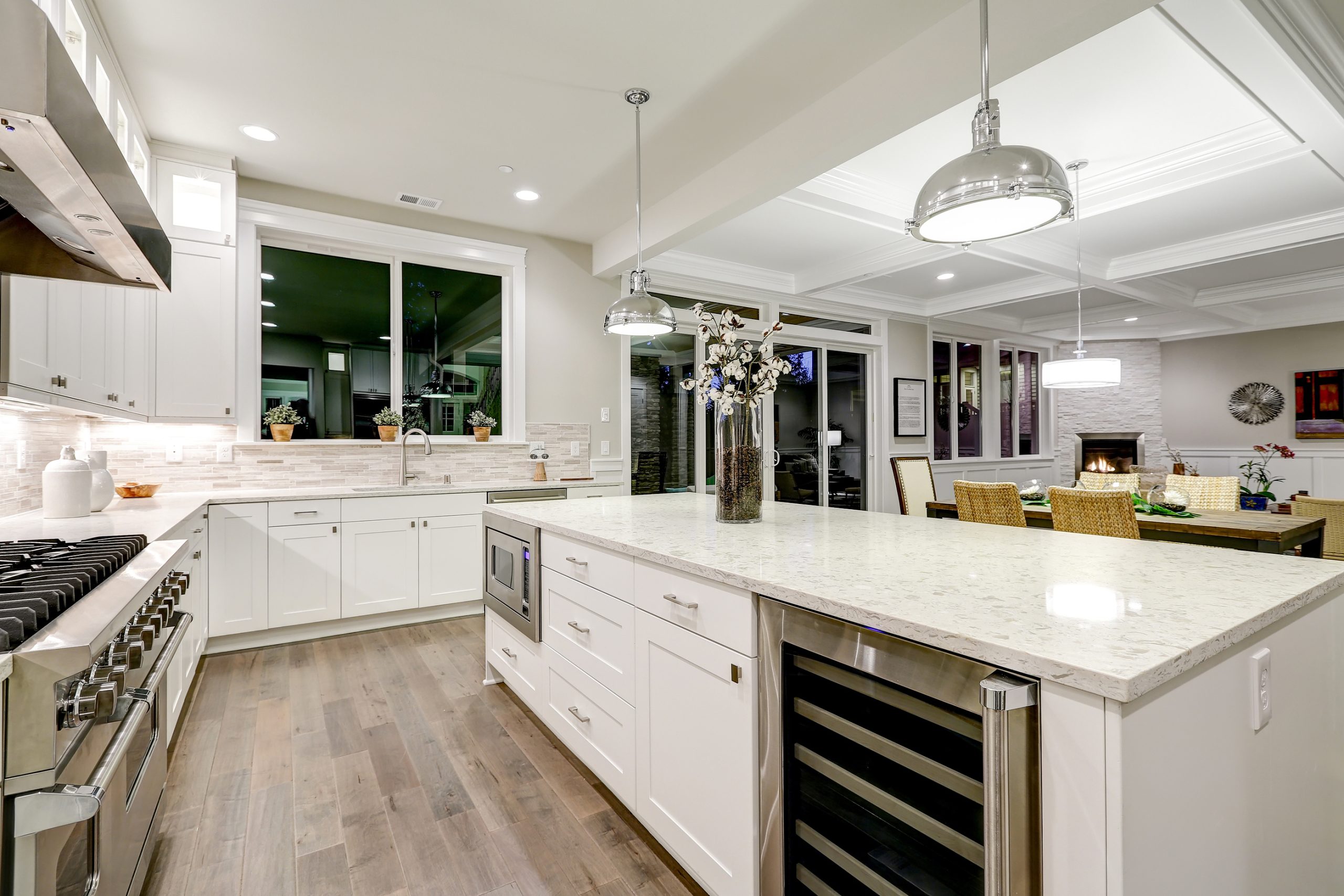
Kitchen islands are often the centerpiece of a multifunctional space. A well-designed island provides extra counter space for food prep, but it can also serve as homework central, buffet table, or casual hangout spot. The key is balance—large enough to serve multiple functions but not so oversized that it interrupts traffic flow.
Adding outlets along the island allows kids to plug in laptops while you chop vegetables. With comfortable stools, it becomes a spot for quick meals or chatting with friends. With clever storage underneath, it can accommodate everything from school supplies to serving platters.
Furniture Choices That Support Flexibility
Furniture plays an essential role in creating a kitchen that feels adaptable. Flexible seating, lightweight stools, or expandable tables enable you to seamlessly transition between daily use and entertaining with ease.
A banquette with storage beneath the seats is another smart addition. It offers cozy seating for family meals or study sessions while providing hidden storage for games, craft supplies, or extra linens. Pair that with a nearby island or bar-height counter, and you’ll have multiple seating options for different occasions.
Maintaining Flow and Accessibility
Even in kitchens where multiple activities happen at once, traffic flow should feel natural. Wide walkways between counters and seating areas prevent bottlenecks, ensuring a smooth flow of traffic. Placing appliances like the fridge or dishwasher at the edge of the cooking zone allows helpers to grab snacks or load dishes without cutting through the middle of meal prep.
Lighting also contributes to flow. Layered lighting, including pendants over the island, task lights under cabinets, and softer ambient fixtures, allows you to set the mood for homework time, dinner, or a late-night gathering.
Blending Style with Function
A kitchen that balances family, homework, and hosting doesn’t just need to function; it should also reflect your style. That’s where updates like kitchen cabinet refacing or cabinet resurfacing come in. By refreshing cabinet doors and finishes, you can create a polished look without a full tear-out.
During a kitchen cabinet renovation, you can also integrate storage features that make multitasking easier. For example, a pull-out drawer for school supplies located near the seating area keeps pencils and notebooks within easy reach. A dedicated cabinet for serving platters near the entertaining zone keeps hosting stress-free. These updates give the space a fresh, cohesive look while supporting the way your family lives.
Keeping the Kitchen Organized
Multitasking works best in a space that feels organized, not cluttered. That means finding storage solutions that keep counters clear and zones functional.
Pull-out pantries, appliance garages, and drawer organizers all contribute to a kitchen that looks neat while staying practical. For families with younger kids, designated drawers for snacks or art supplies make it easy for them to grab what they need without disrupting meal prep.
When planning a renovation or cabinet update, consider where clutter tends to accumulate and how cabinetry can help minimize it.
A Space for Everyday Life and Special Moments
The most successful kitchens today aren’t the ones that look picture-perfect but sit unused. They’re the kitchens that adapt, welcoming homework sessions on Tuesday afternoons, family dinners on Friday nights, and a group of friends on the weekends.
By thinking about zones, seating, storage, and flow, you can create a space where multiple activities overlap comfortably. Pair that with thoughtful finishes from cabinet resurfacing or kitchen cabinet refacing, and your kitchen can feel both stylish and functional.
Make your kitchen the heart of your home with smart updates that fit your family’s lifestyle. Doors & Drawers of NW Ohio specializes in kitchen cabinet refacing that can refresh your space while supporting everyday multitasking. Contact us to start your renovation plan today.